Keys to a Long-Lasting Tile Installation
Tile flooring and wall installations are valued for their durability, appearance, and low maintenance. However, the longevity of a tile installation depends greatly on proper preparation, materials, and installation techniques. When done correctly, a tile surface can last for decades without major issues. Understanding the key factors behind a successful tile installation helps ensure long-term performance and structural stability.
Proper Surface Preparation
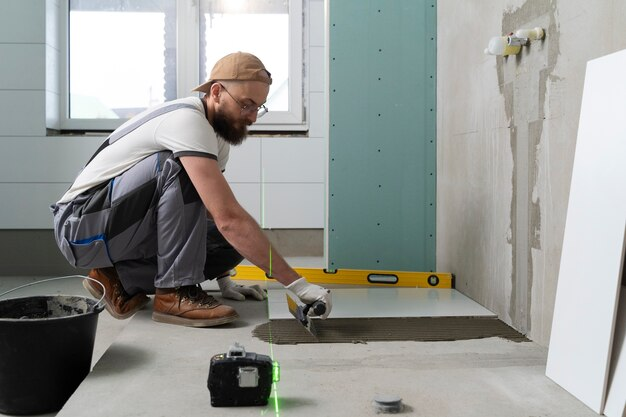
A strong tile installation begins with a well-prepared surface. The subfloor or wall base must be clean, dry, stable, and free from dust, grease, or debris. Any cracks, uneven areas, or weak spots should be repaired before installation begins.
If the surface is uneven, leveling compounds may be used to create a smooth base. Proper preparation ensures that tiles adhere correctly and prevents future movement or cracking.
Using the Right Underlayment
Underlayment provides additional stability and moisture protection beneath the tiles. Materials such as cement boards or waterproof membranes help strengthen the base and protect the installation from moisture damage. In areas such as bathrooms, kitchens, and outdoor spaces, proper waterproofing is especially important to prevent water infiltration that could weaken the tile system.
High-Quality Adhesive and Materials
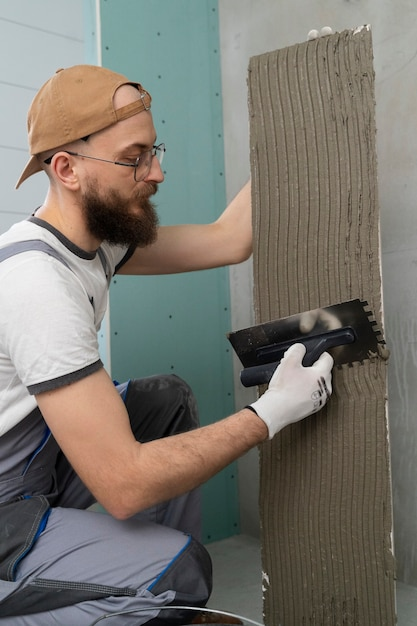
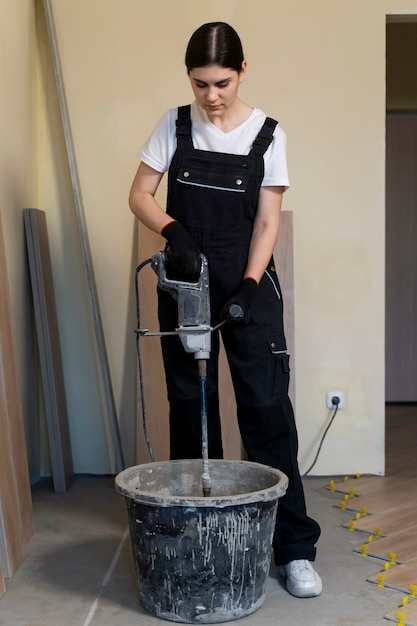
Choosing the correct tile adhesive or thin-set mortar is essential for a durable installation. The adhesive must be suitable for the type of tile, surface material, and environmental conditions.
High-quality materials ensure stronger bonding, better flexibility, and improved resistance to temperature changes and moisture.
Correct Tile Layout and Spacing
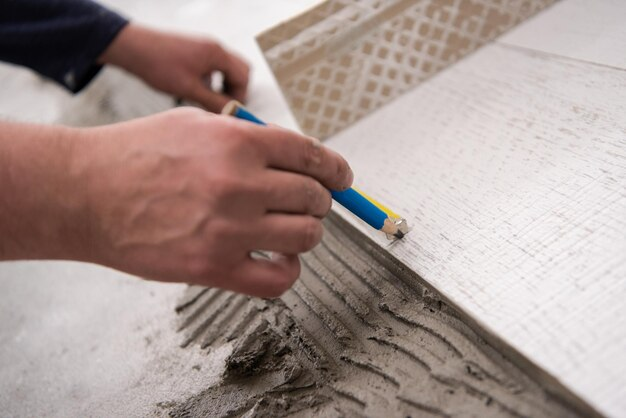
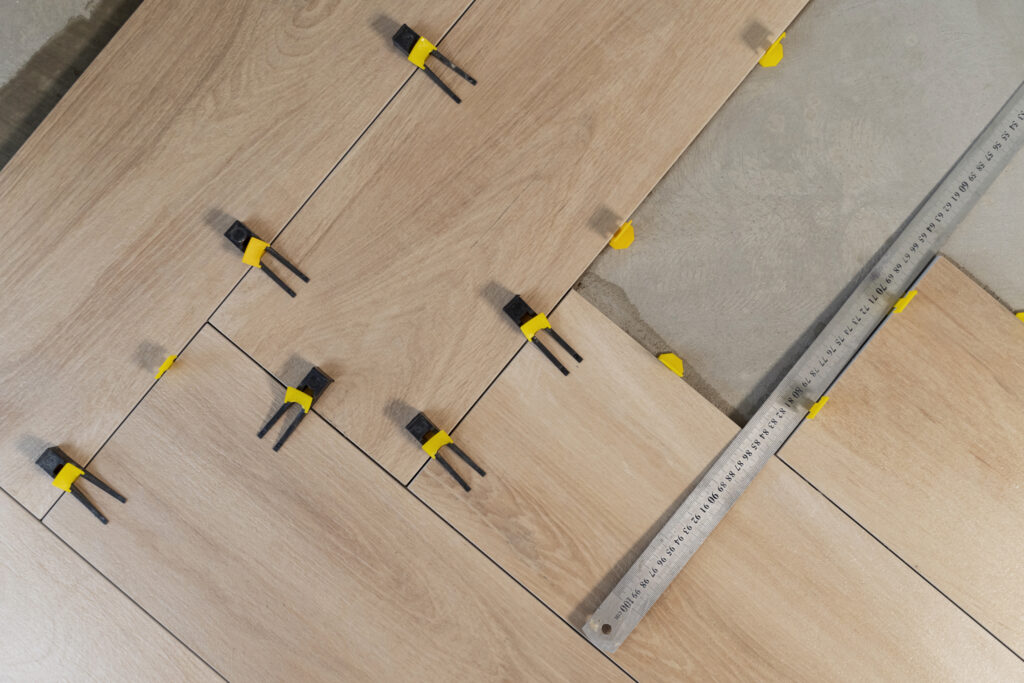
A well-planned tile layout improves both the strength and appearance of the installation. Proper spacing between tiles allows for grout joints that accommodate slight movement and expansion.
Using spacers ensures uniform alignment and prevents tiles from shifting during installation.
Proper Grouting Techniques
Grout plays an important role in protecting tile edges and filling the gaps between tiles. Properly mixed and applied grout helps prevent moisture from entering beneath the tiles and improves the overall strength of the installation.
After installation, grout should be sealed when necessary to increase stain resistance and extend its lifespan.
Allowing Proper Curing Time
Rushing the installation process can lead to serious problems later. Adhesives and grout require adequate curing time to fully set and bond with the tiles and surface.
Allowing sufficient drying time ensures the tile system becomes strong and stable before it is exposed to foot traffic or moisture.
Movement and Expansion Joints
Buildings naturally expand and contract due to temperature changes and structural movement. Movement joints allow the tile installation to adjust without cracking or lifting.
Including expansion joints in larger tile areas is an important step in preventing long-term damage.
Final Inspection and Maintenance
A professional tile installation includes a final inspection to ensure proper alignment, full adhesion, and clean grout lines. Regular maintenance such as cleaning grout lines and checking for small cracks can also help extend the life of the installation.
A long-lasting tile installation is achieved through careful planning, quality materials, and professional installation practices. Proper surface preparation, the right adhesives, accurate spacing, and correct curing time all contribute to a durable and reliable tile system. By following these key steps, builders and contractors can ensure tile installations that remain strong, attractive, and functional for many years.